Lifetime Citizen Portal Access — AI Briefings, Alerts & Unlimited Follows
Secretario Manolo Cidre entrega radiografía económica y pide reformas para consolidar competitividad
Loading...
Summary
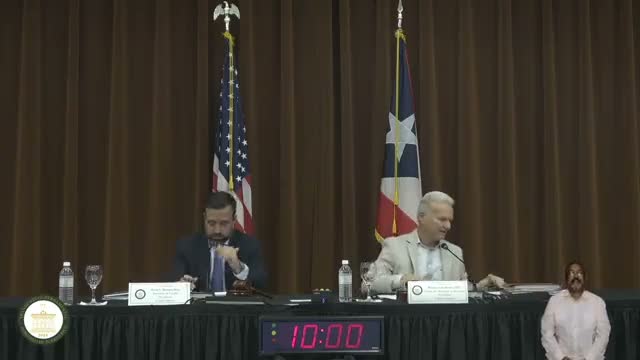
En la novena vista de la transición 'Transition 2024 - 2025', el secretario Manolo Cidre presentó logros y pendientes del Departamento de Desarrollo Económico y Comercio, pidió una reforma contributiva y continuidad en programas como 20 First Century TechForce y Conexión Laboral, y abonó datos sobre el rendimiento de incentivos y la necesidad de más fiscalización.
Secretary Manolo Cidre told Puerto Rico’s incoming transition committee that the island has seen measurable economic improvements but needs policy changes to translate activity into sustainable development.
"El desempleo más bajo en la historia de Puerto Rico alcanza el cinco punto cuatro por ciento," Cidre said, framing the administration’s record on jobs while urging focus on the labor participation rate and structural reforms that would expand formal employment.
Cidre described three strategic priorities for the next administration: diversifying sectors (biociencias, aeroespacial, tecnología y la industria local), boosting entrepreneurship, and strengthening human capital. He highlighted the 20 First Century TechForce initiative—a $42 million program intended to expand training capacity in technology and cybersecurity—and the relaunch of the workforce program under the Conexión Laboral brand, which he said raised registered apprenticeship programs from 11 to 76 and reached about 4,000 workers.
On incentives, Cidre detailed the department’s work implementing Ley 60 (which consolidated prior incentives) and said the agency has strengthened oversight: "hemos aumentado la responsabilidad y la rigurosidad... teniendo récord de anulaciones y revocaciones con sobre trescientas quince y doscientas sesenta y cuatro multas administrativas," he said, noting an accompanying impact report on return on investment that will be shared with the committee.
Subsecretary Humberto (for the record) added specifics on decrees previously known as Ley 22 (now within Ley 60). He said beneficiaries of those decrees still pay income tax on ordinary earnings and cited an estimated annual tax collection "sobre ciento cuarenta millones" from passive-income exemptions, and employment contributions he estimated at about 8,200 direct jobs (up to 22,000 including indirect jobs), figures he described as conservative because some activity is outside the datasets the department could capture.
Committee members pressed the department on clarifying metrics and next steps. Questions included: how the ROI study differentiates sectors (manufactura foránea vs. local), whether Sunset clauses should be applied to credits, and how to deploy incentives with social objectives (targeting high-unemployment municipalities). Cidre recommended building underwriting tools to evaluate incentives case-by-case, and a tax reform that includes property tax and inventory levies to align incentives with long-term productivity.
Cidre closed with institutional recommendations for the incoming administration: strengthen the department’s data and analysis capacity (creating an office of policy analysis and a Chief Economist), continue integration with universities for workforce pipelines, and preserve continuity in programs with demonstrable results.
The transition committee requested copies of the ROI study, itemized incentive performance data, and proposed draft policy language; Cidre committed to deliver those materials for the new administration’s review.