Get Full Government Meeting Transcripts, Videos, & Alerts Forever!
Get email alerts on the Fort Concho Chaplains topic
No spam. Unsubscribe anytime.
How Fort Concho’s Chaplains Helped Build San Angelo’s Early Civic Life
Summary
A lecture recounted how 19th-century Army chaplains at Fort Concho — notably Norman Badger, George W. Dunbar and Francis Heyer Weaver — served as teachers, librarians, gardeners and ministers, seeding churches, schools and civic institutions in what became San Angelo.
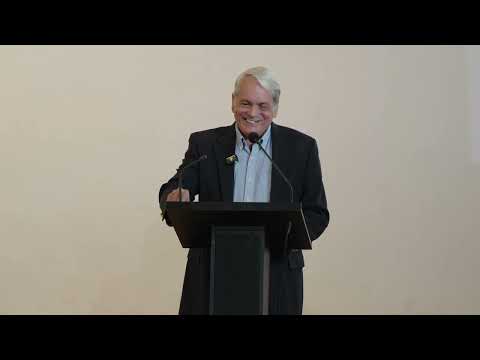
Unidentified Speaker, editor of the West Texas Historical Association newsletter, described how Army chaplains stationed at Fort Concho in the late 19th century served far beyond religious duties and helped shape the nascent community that became San Angelo.
The speaker said Chaplain Norman Badger, assigned to Fort Concho in March 1871 and arriving on April 9, 1871, crossed the North Concho River to conduct worship in the small settlement that would grow into San Angelo. According to a monthly report by the post surgeon recorded in contemporary documents, that outreach “was probably the first time that the name of the deity was ever publicly used in reverence in that place,” an early sign of religious life taking root beyond the post.
Badger and his successors carried out an array of civic tasks that the speaker summarized plainly: “the chaplains served diligently as pastor, teacher, librarian, bakery supervisor, gardener, and even post treasurer.” The lecture traced how those activities addressed immediate needs at the remote post — schooling, food, literacy and worship — and, over time, fostered local congregations and institutions.
Badger established the post school, conducted regular hospital and barracks visits, began a post library and planted a garden leased from a nearby farm to supply troops with vegetables. The speaker said the garden initially occupied about 10 acres before the lease was canceled because the rented farm owners considered Badger a commercial competitor. He also ordered books for the growing library: a 1873 purchase of roughly $400 in volumes expanded an initial collection of 292 volumes to more than 720 by the end of 1875.
The talk described the soldiers’ role in building a rudimentary chapel in early 1876: a picket structure mud-daubed and thatch-roofed, erected largely at the troopers’ expense when government provision for a chapel or schoolhouse had been lacking. The Episcopal bishop for the Missionary District of West Texas, Robert W. B. Elliott, later described the rough chapel’s “pathetic appeal” and the chaplain’s devotion in reports of the period.
Badger’s health failed after years of strenuous service; the speaker said Badger died in the Fort Concho hospital on June 3, 1876. Subsequent chaplains — including George Ward Dunbar and, later, Francis Heyer Weaver — continued and expanded educational and worship activities. A new schoolhouse and chapel, described as 40 by 20 feet, was designated on Feb. 22, 1879, and the speaker reported enrollment figures for separate classes: 21 white children, 16 Black children and 55 enlisted men. Under Chaplain Weaver the library reportedly grew to 881 volumes with weekly usage recorded at about 250 people.
The speaker emphasized broader effects: chaplains acted as “church planters,” introducing regular services and schooling and prompting local ministers to come to the post. That missionary and educational activity, he said, helped San Angelo form a union Sunday school (1878), establish Catholic and Methodist congregations, and open its first public school in 1885 — developments that, by the late 1880s, reduced the post’s claim to a permanent chaplain slot as civilian institutions took on community roles.
The lecture presented these points as documentary narrative rather than interpretation; the speaker repeatedly noted the limitations and fragmentary nature of historical records and invited questions at the end. The presentation closed by underscoring the chaplains’ practical roles on the frontier and their lasting local influence.