Lifetime Citizen Portal Access — AI Briefings, Alerts & Unlimited Follows
Residents press East Hampton to tighten management plan for Osborne Homestead after $56M CPF purchase
Loading...
Summary
Public commenters urged the town to expand landmark protections, require soil testing and restrict high-impact farming on the recently acquired John Osborne Homestead; board members said they support strong water-quality and viewshed language but disagreed on specific agricultural provisions and process timing.
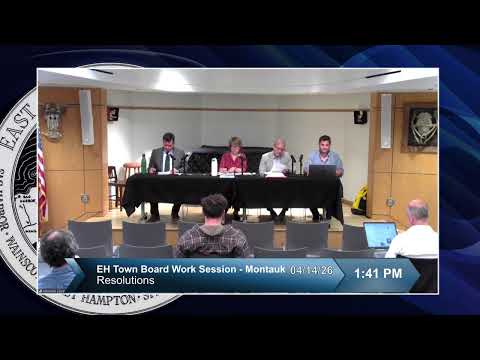
Dozens of residents urged the East Hampton Town Board on Tuesday to strengthen the draft management plan for the John Osborne Homestead — the town’s roughly 66 Main Street parcel acquired last year through the Community Preservation Fund (CPF) — arguing the plan must protect the historic viewshed and impose strict limits on farming and infrastructure.
"The facts are that this $56,000,000 CPF purchase was intended to protect our hamlet's heritage and environment," said Esperanza Leon, a long-time resident who spoke to the board during public comment. She urged the board to landmark the full 30 acres and to revise the draft so the property’s historic character and water quality are prioritized.
The calls followed earlier public comments from John Stoner and others who said they will press at an upcoming public meeting for limits on farming techniques and on hard-surfaced installations such as concrete pads. "I will be talking about the quantification of public support from that meeting for the no farming, no concrete pads, and the designation of the entire acreage as historically significant," Stoner said.
Town officials defended the process and highlighted additions to the draft that strengthen water-quality and scenic-protection language. "The mission emphasizes perpetual protection of the scenic viewsheds across the parcel as paramount," Council member Ian (first name used in the record) said; he noted the property-management committee and staff revised the draft after public input and that the stronger water-quality language was deliberate. Melissa McCarron of Natural Resources, who volunteered to serve as the town’s program coordinator for some related initiatives, told the board the department has capacity to support additional outreach and monitoring.
At least one board member suggested the document could be further refined and noted that management plans can be amended after adoption by public hearing and vote. Multiple callers asked the board to delay final adoption so liaisons and the property-management committee could review outstanding concerns; the supervisor and other members indicated the board would consider timing and next steps in forthcoming meetings.
The most recent procedural step is that the draft remains under discussion; the board has not adopted final rules that would allow or limit particular farming practices on the site. Town officials said technical details — including any required soil testing or explicit definitions of "low-impact" farming — should be clarified in follow-up work and with advice from environmental and historic-preservation professionals.
The town is scheduled to continue related hearings and committee deliberations in coming meetings; public speakers said they will return to the Thursday meeting to present additional documentation and advocacy.